Feature Stories
By Atty. Raoul C. Creencia
Immediate Past President, Rotary Club of Manila

Continuity of Leadership:
The Quiet Strength Behind Every Rotary District
Each Rotary year begins with a familiar rhythm: new leaders are installed, fresh priorities are set, and renewed enthusiasm fills club assemblies and district gatherings. Beneath this visible cycle, however, lies something more enduring than annual change—the steady force of continuity that carries Rotary’s mission from one leadership year to the next.
As we unfold another year of service –- with a new theme, Create Lasting Impact and a new District Governor, Maria Rosa “Bing” N. Carrion -– it is timely to discuss an often-understated but essential principle: continuity of leadership, especially as it applies to the role of the District Governor.
The District Governor is often regarded as the face of Rotary leadership for a given year. Yet, the role is not meant to stand alone. Within Rotary’s governance structure, the Governor serves as part of a broader leadership continuum that includes the District Governor-Nominee (DGN), District Governor-Elect (DGE), current District Governor, and Immediate Past District Governor (IPDG).
This structure ensures that leadership is never isolated in time. It is always part of a broader chain of stewardship -- one that preserves institutional memory, aligns direction, and sustains momentum across multiple Rotary years. In practical terms, Rotary does not operate on a “reset button” each July 1. It operates on a relay system -- where the baton is passed -- not replaced.
Beyond the One-Year Horizon
The Constitutional Logic of Continuity
The District Governor is often regarded as the face of Rotary leadership for a given year. Yet, the role is not meant to stand alone. Within Rotary’s governance structure, the Governor serves as part of a broader leadership continuum that includes the District Governor-Nominee (DGN), District Governor-Elect (DGE), current District Governor, and Immediate Past District Governor (IPDG).
This structure ensures that leadership is never isolated in time. It is always part of a broader chain of stewardship -- one that preserves institutional memory, aligns direction, and sustains momentum across multiple Rotary years. In practical terms, Rotary does not operate on a “reset button” each July 1. It operates on a relay system -- where the baton is passed -- not replaced.
The Governor Line: Rotary’s Built-In Continuity Engine
At the heart of this system is what many Rotarians refer to as the Governor Line. It is a unique structure in volunteer leadership:
District Governor-Nominee (preparation phase)
District Governor-Elect (planning phase)
District Governor (execution phase)
Immediate Past District Governor (continuity and advisory phase)
At any given moment, a district is effectively and invariably guided by four interconnected leadership perspectives. This ensures that no single Rotary year exists in isolation. Instead, each year becomes part of a longer strategic arc -- one that strengthens sustainability, consistency, and institutional learning.
Why Continuity Matters in Rotary Leadership
Rotary districts are complex ecosystems. A District Governor oversees dozens, and in the case of District 3810, more than a hundred clubs, each with its own culture, challenges, and initiatives. Without continuity, district-level programs risk fragmentation and loss of momentum.
When continuity is ensured, we make sure that: a) institutional memory is preserved; b) flagship projects are sustained beyond one year; c) leadership transitions are seamless rather than disruptive; and d) strategic goals remain aligned across administrations. In essence, continuity protects Rotary from the natural limitations of annual leadership turnover.

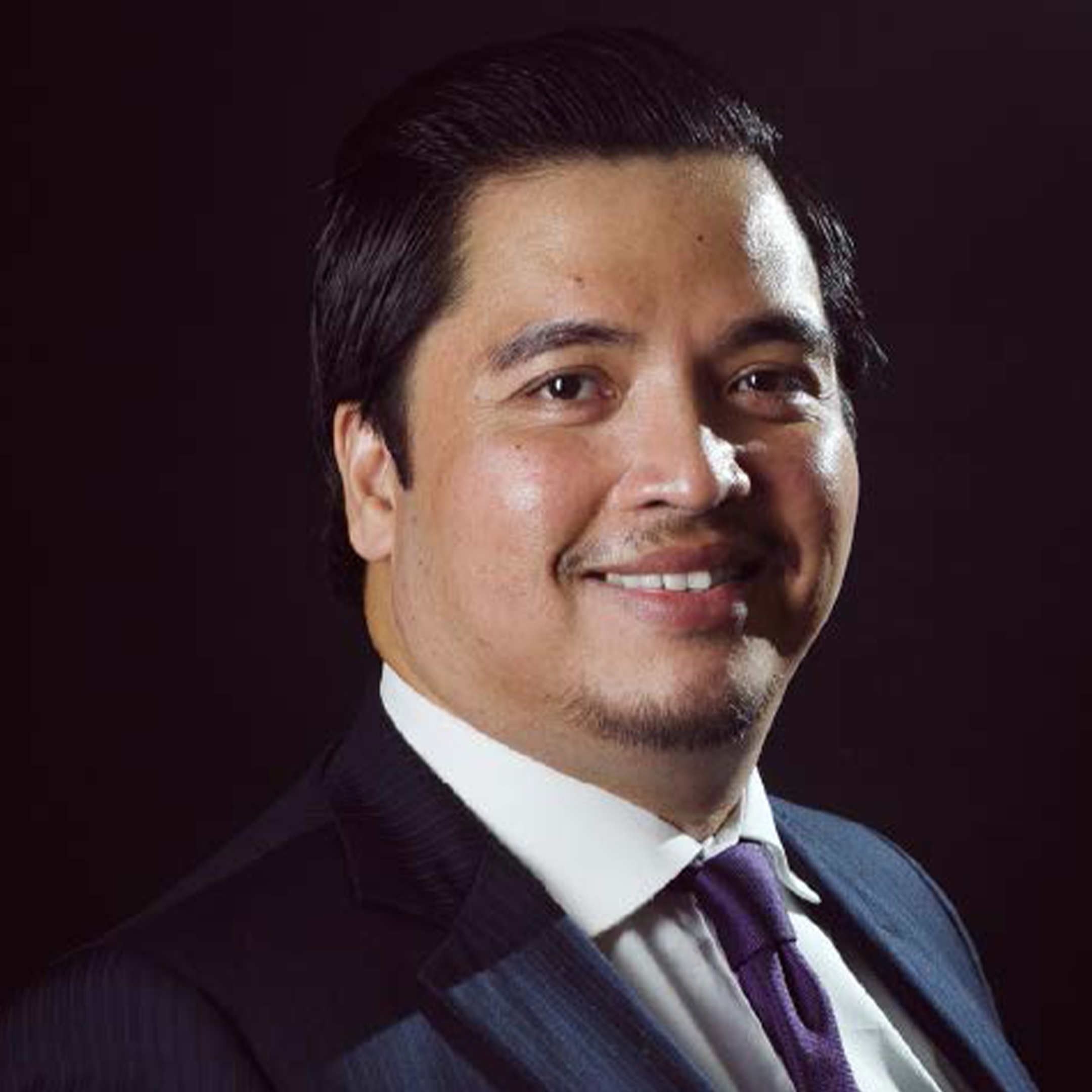
Mary Mei Rodrigo
Immediate Past District Governor

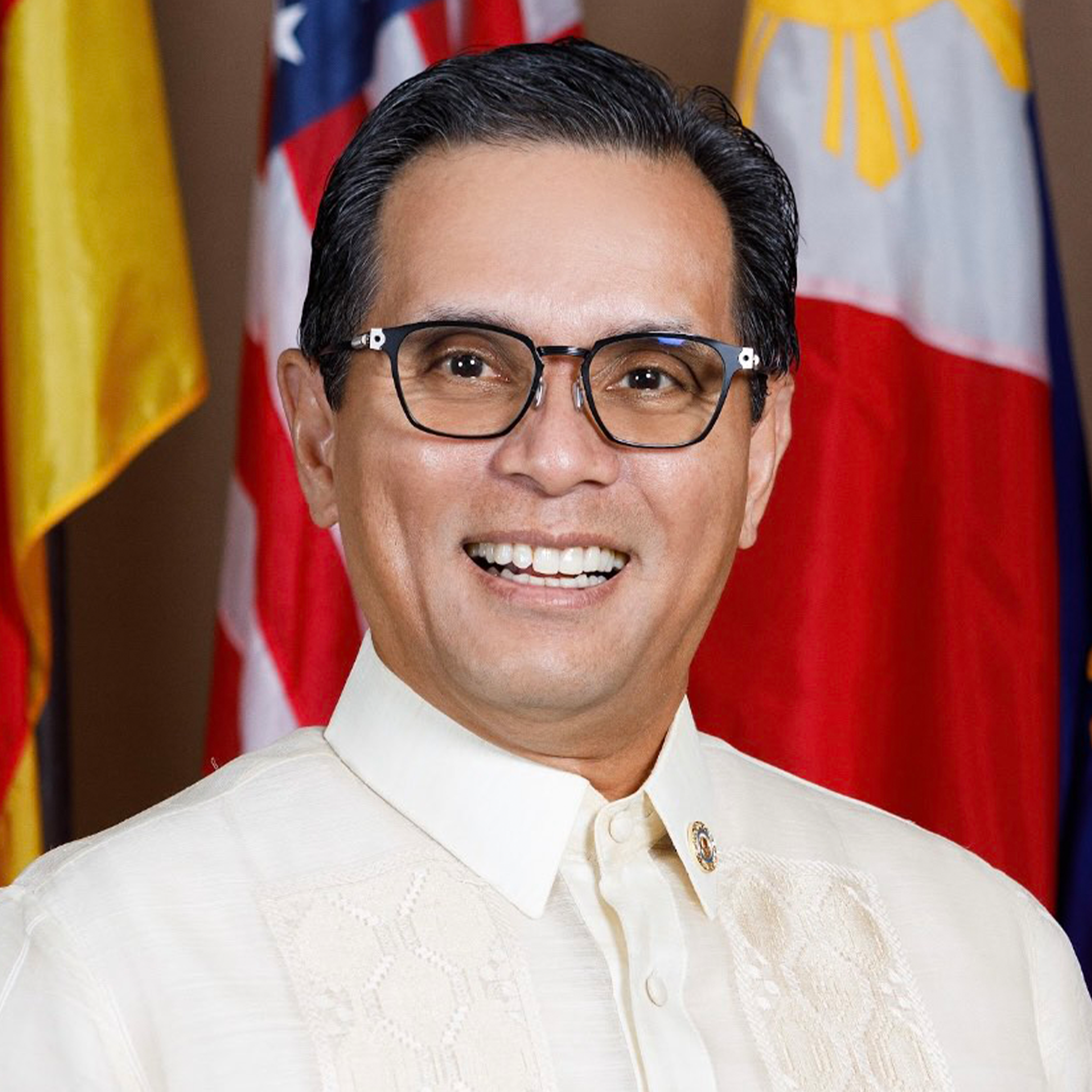
Maria Rosa “Bing” N. Carrion
District Governor
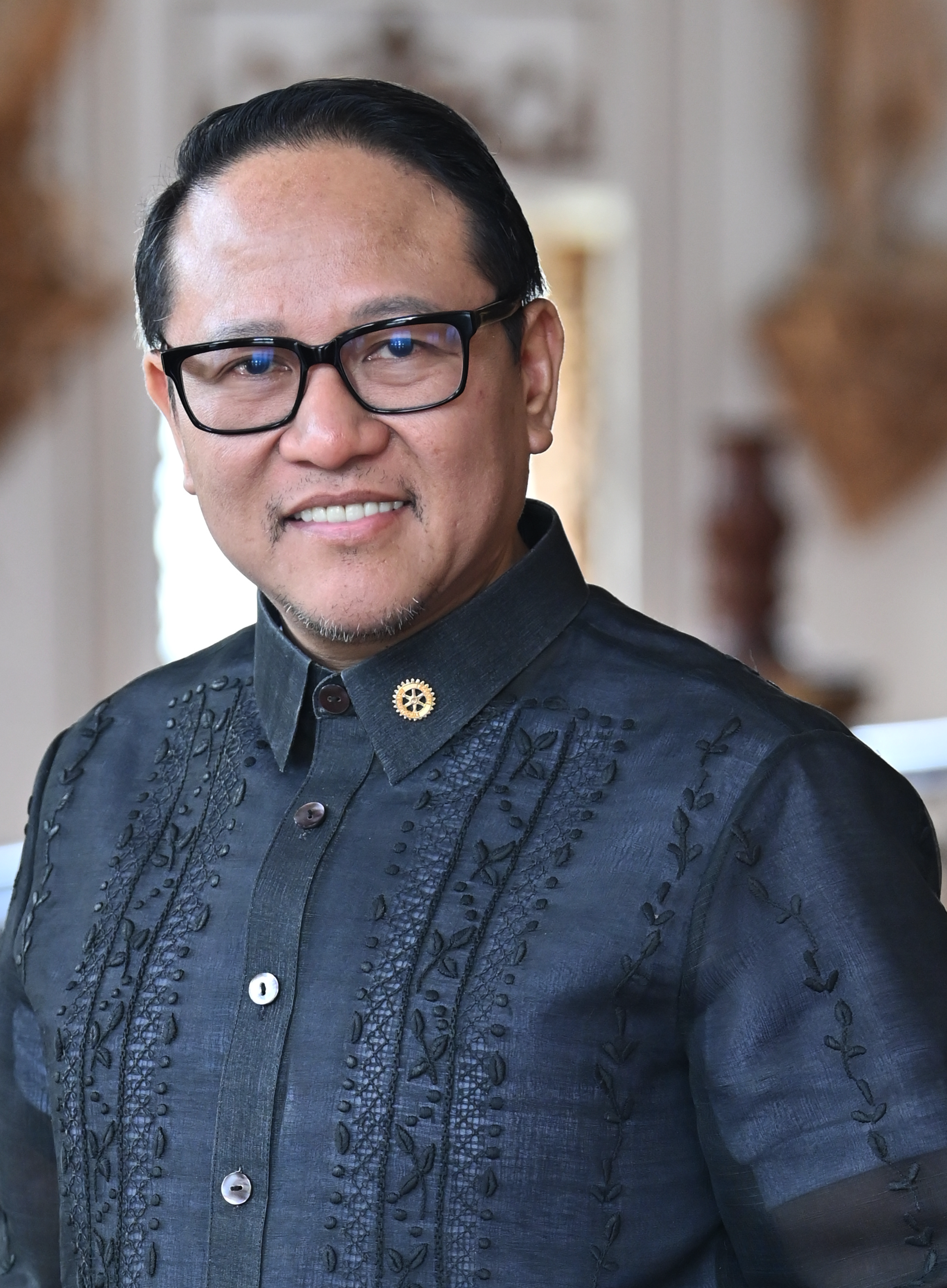
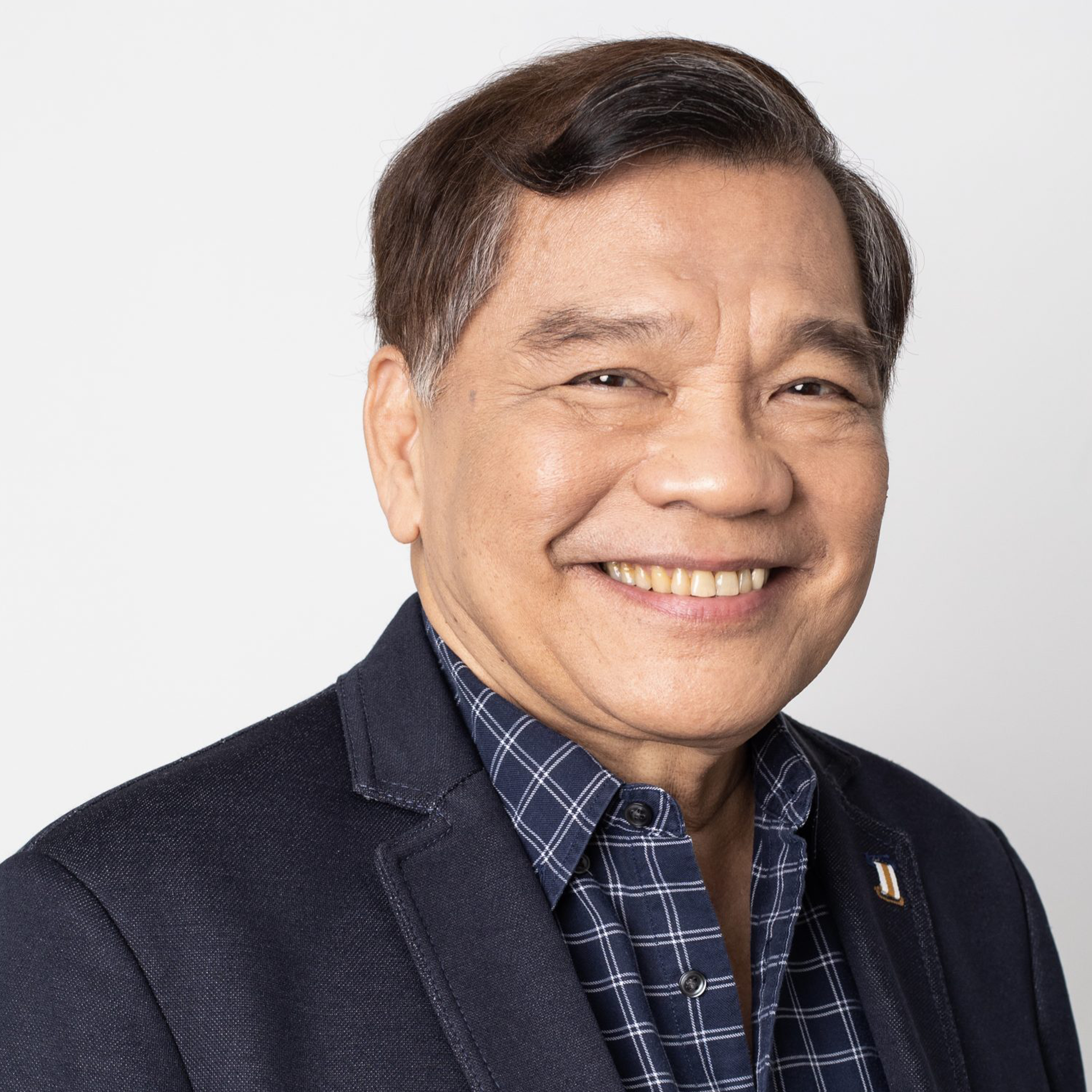
Elmer Francis “Jun” Pasion
District Governor-Elect

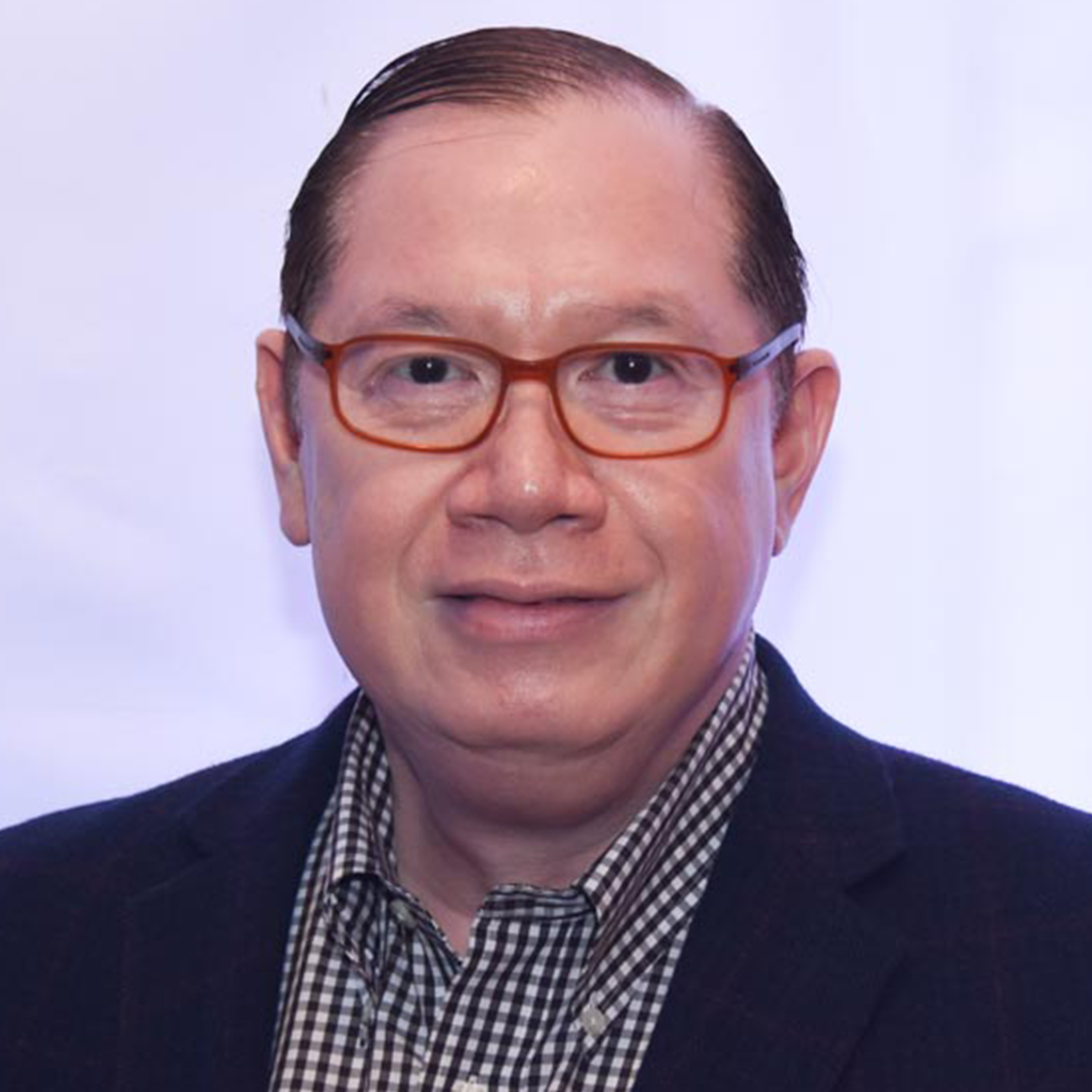
Herminio “Hermie” Esguerra
District Governor-Nominee
The Council on Legislation and the Discipline of Long-Term Thinking
Rotary districts are complex ecosystems. A District Governor oversees dozens, and in the case of District 3810, more than a hundred clubs, each with its own culture, challenges, and initiatives. Without continuity, district-level programs risk fragmentation and loss of momentum.
When continuity is ensured, we make sure that: a) institutional memory is preserved; b) flagship projects are sustained beyond one year; c) leadership transitions are seamless rather than disruptive; and d) strategic goals remain aligned across administrations.
The District Governor’s Role in Continuity
For the District Governor, continuity is not an abstract principle -- it is a daily responsibility. Indeed, a DG is expected to a) coordinate closely with the DGE in planning district assemblies and training events; b) align ongoing programs with long-term district objectives; c) ensure the smooth transition of initiatives to the next administration; and d) maintain active collaboration with past and incoming district leaders. These responsibilities are reflected in Article 16.030 of the Rotary International Bylaws and in Rotary leadership guidance emphasizing continuity, strategic alignment, and collaboration among past, current, and incoming district leaders.
This means that a DG is never working alone in time. Every decision sits within a continuum that extends backward and forward across multiple leadership years.
The Real Challenge: Discipline Over Enthusiasm
In Rotary leadership, enthusiasm at the start of a term is both natural and necessary. The greater challenge, however, lies not in beginning strong, but in sustaining coherence, direction, and alignment across successive leadership cycles.
The principle of continuity is explicitly embedded in the Rotary International Bylaws (as earlier cited). This establishes continuity not as a preference, but as an institutional expectation of district governance.
Within this framework, continuity is expressed in practice through several essential leadership responsibilities. First, the Governor works closely with the District Governor-Elect in the planning and execution of key district learning and organizational events, ensuring that preparatory work naturally transitions into implementation. Second, there is an expectation of alignment -- where ongoing programs are managed in harmony with the district’s broader and longer-term objectives rather than being confined to a single Rotary year. Third, initiatives are designed and managed with transition in mind, allowing programs to be carried forward smoothly by succeeding administrations. Finally, effective district leadership requires sustained collaboration within the Governor line -- engaging past, current, and incoming leaders as a unified continuum of stewardship.
While these responsibilities are not always expressed in the form of formal “disciplines” within Rotary International documentation, they are consistently reflected in Rotary’s governance philosophy. They function, in practical terms, as the mechanisms through which continuity is achieved: careful planning beyond a single term, disciplined preservation of institutional knowledge, and active collaboration across leadership transitions.
In this sense, continuity is not an abstract principle in Rotary. It is an operational standard of leadership— one that allows the organization to remain stable in structure while continuously renewed in purpose and energy from year to year.
Continuity is most visible in district programs that span multiple years, such as: a) membership development initiatives that outlast a single DG term; b) Rotary Foundation campaigns built on long-term giving culture; c) Youth leadership programs that mature across several administrations; and d) Flagship district projects that evolve rather than restart each year.
Where continuity is strong, districts tend to show sustained growth and deeper community impact. Where it is weak, even promising initiatives often fade with leadership transitions.
Continuity in Practice: Where It Becomes Real
If Rotary leadership were reduced to a single guiding principle, continuity might well be it. Because continuity ensures that: a) service does not depend on one person; b) success is not erased by transition; c) leadership is not confined to a calendar year; and d) Rotary’s mission remains uninterrupted.
The District Governor, therefore, is not simply a yearly leader. The DG is a link in a chain -- one that stretches backward through decades of leadership and forward into the future of Rotary service
A Compass Point for Leaders
Closing Reflection
As this new Rotary year begins, it is timely to recall that leadership in Rotary is never measured solely by what is initiated within a single twelve-month term. Its deeper value lies in what is set in motion -- what is strengthened, sustained, and carried forward beyond the tenure of any one leader.
Continuity, at the start of the year, is not a retrospective comfort but a forward-looking commitment. It is the discipline that ensures that each new beginning does not disrupt the mission but instead builds upon the foundation laid by those who came before.
In this sense, continuity is not the absence of change at the outset of a new Rotary year. Rather, it is the assurance that change will be purposeful, anchored, and aligned with Rotary’s enduring ideals of service.
And it is this assurance that keeps Rotary’s compass steady -- regardless of who takes the helm in any given year.
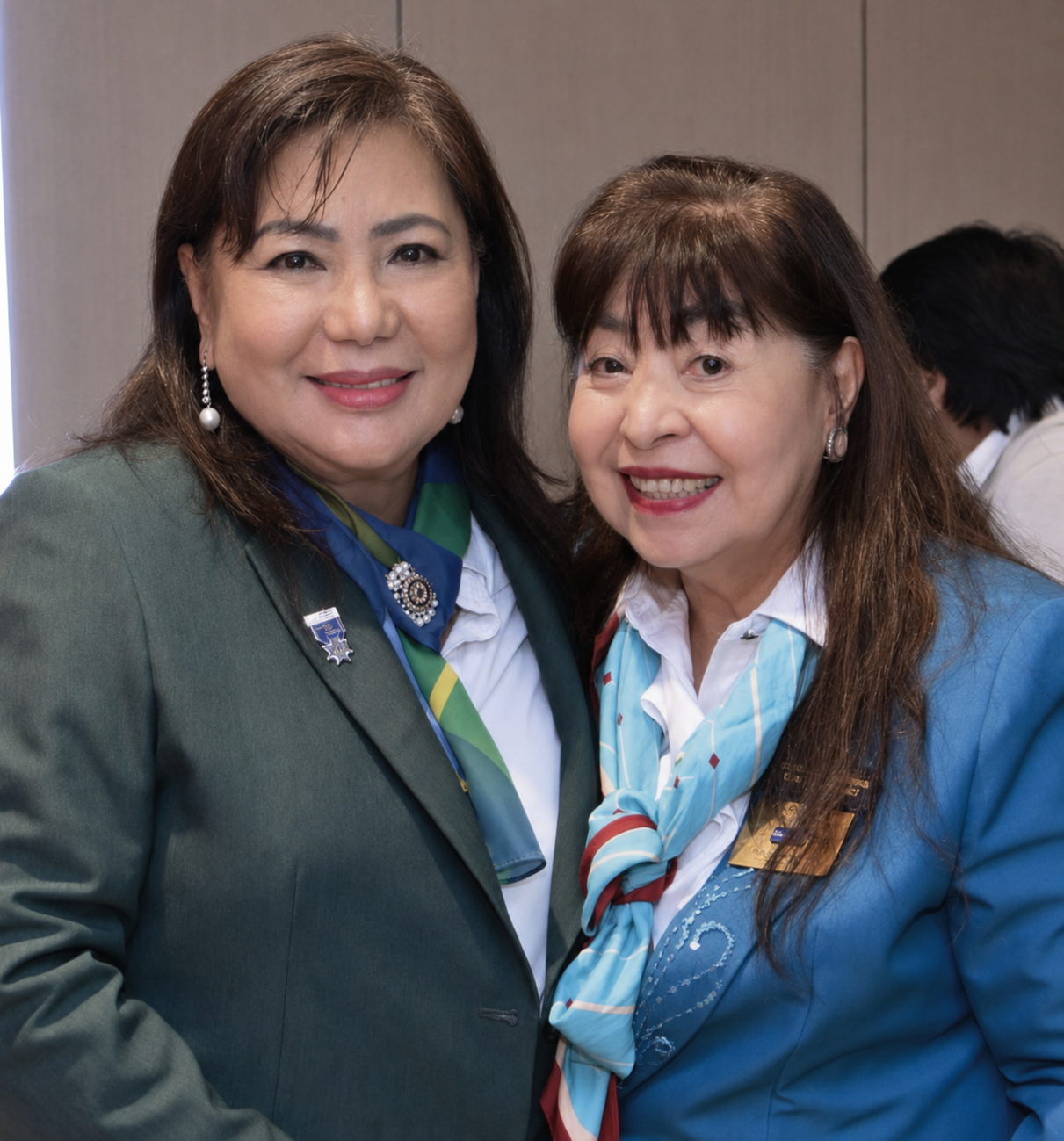
IPDG Mary Mei and DG Bing
-
![]()
Continuity of Leadership: The Quiet Strength Behind Every Rotary District
By Atty. Raoul C. Creencia
Immediate Past President, Rotary Club of Manila -
![]()
Governor Bing: The Game Changer
-
![]()
Through a Son’s Eyes: Walking Alongside Mom at the Rotary International Assembly
By Aris Carrion Cebrero
Member, Rotary Club of Manila Supreme 198 -
![]()
Maternal and Child Health in the Philippines: Small Interventions, Lasting Impact
By Dr. Enrique “Eric” A. Tayag
Past President, Rotary Club of Manila 101
Former Undersecretary, Department of Health (DOH) -
![]()
First 1000 days: Winning the Fight Against Child Malnutrition
By Atty. Jose “Joey” D. Lina
Governor-Elect (District 3830)
National Project Chairman, Children’s First One Thousand Days Coalition (CFDC) -
![]()
A Preventable Death: Why 12 Filipinas Still Die Every Day — And How Rotary Can Help Change It
By Dr. Jesus Randy “Bogs” Rivera, MD
Rotary Club Manila South
Connect with: CerviQ | End Cervical Cancer Philippines
Founder | Radiation Oncologist | IFCPC-IARC Colposcopist Candidate 2028