
Feature Stories

By Dr. Jesus Randy “Bogs” Rivera, MD
Rotary Club Manila South
Connect with: CerviQ | End Cervical Cancer Philippines
Founder | Radiation Oncologist | IFCPC-IARC Colposcopist Candidate 2028

A Preventable Death:
Why 12 Filipinas Still Die Every Day —And How Rotary Can Help Change It
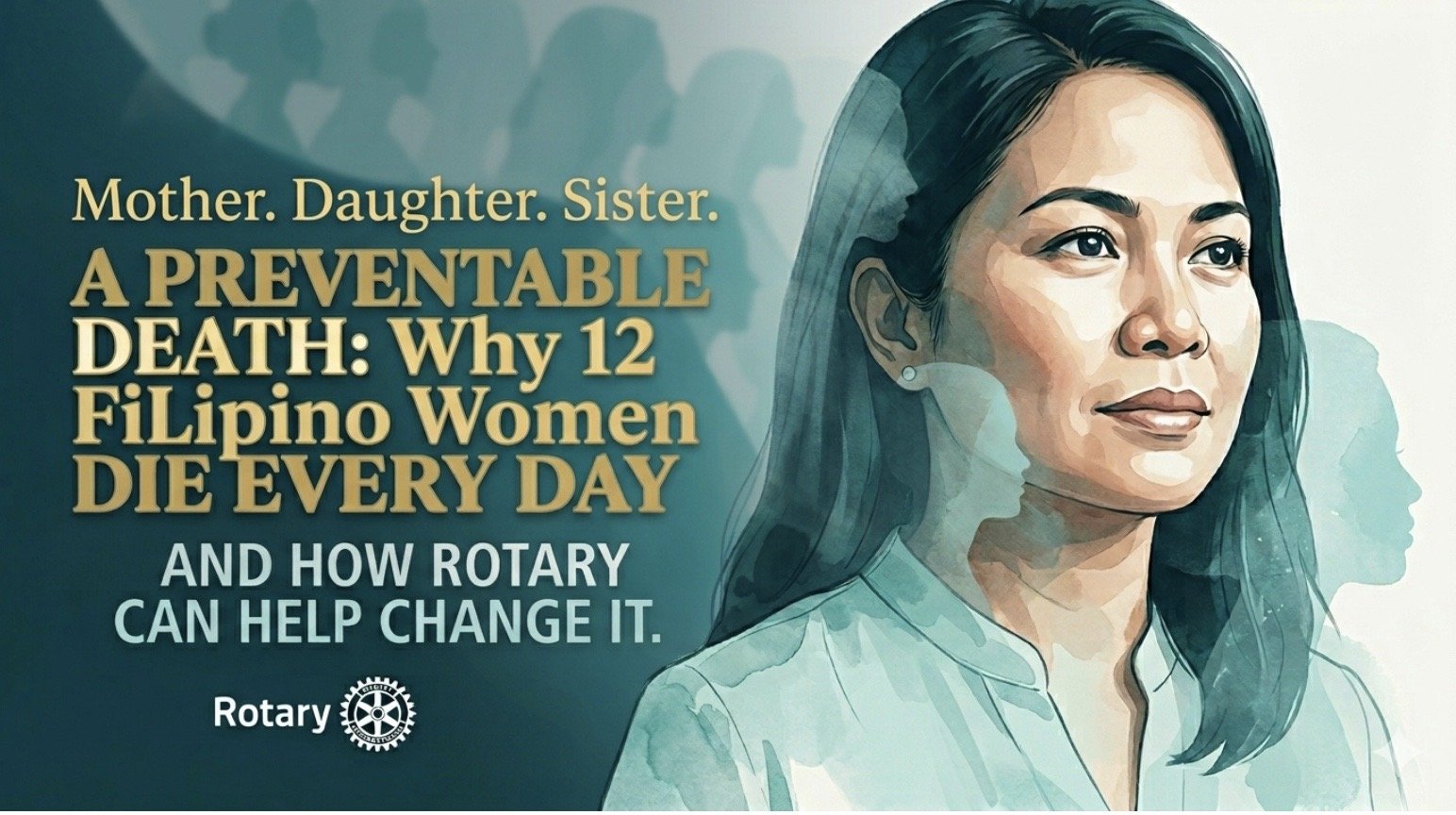
Every single day in the Philippines, 12 women die from cervical cancer.
Twelve mothers. Twelve daughters. Twelve lives lost—often silently, often too late.
What makes this especially difficult to accept is this: we already have everything we need to stop it.
For the first time in history, the global health community stands at the threshold of eliminating a cancer. The World Health Organization has identified a clear path—vaccination, screening, and early treatment.
Countries like Australia are already on track to eliminate cervical cancer as a public health problem within the next decade.
So the question becomes:
Why not the Philippines?
From “Kulugo” to Cancer
Cervical cancer is unique. It is one of the only cancers that is almost entirely preventable.
It is caused not by heredity, but by a virus—the human papillomavirus (HPV).
HPV is common. It spreads through intimate skin-to-skin contact. Most infections cause no symptoms and resolve on their own. But when high-risk types persist, they can lead to cancer of the cervix, anus, throat, and other areas.
In fact, more than 80% of people worldwide will be exposed to HPV at some point in their lives.
Which is why prevention—and early detection—are critical.
The Silent Window We Are Missing
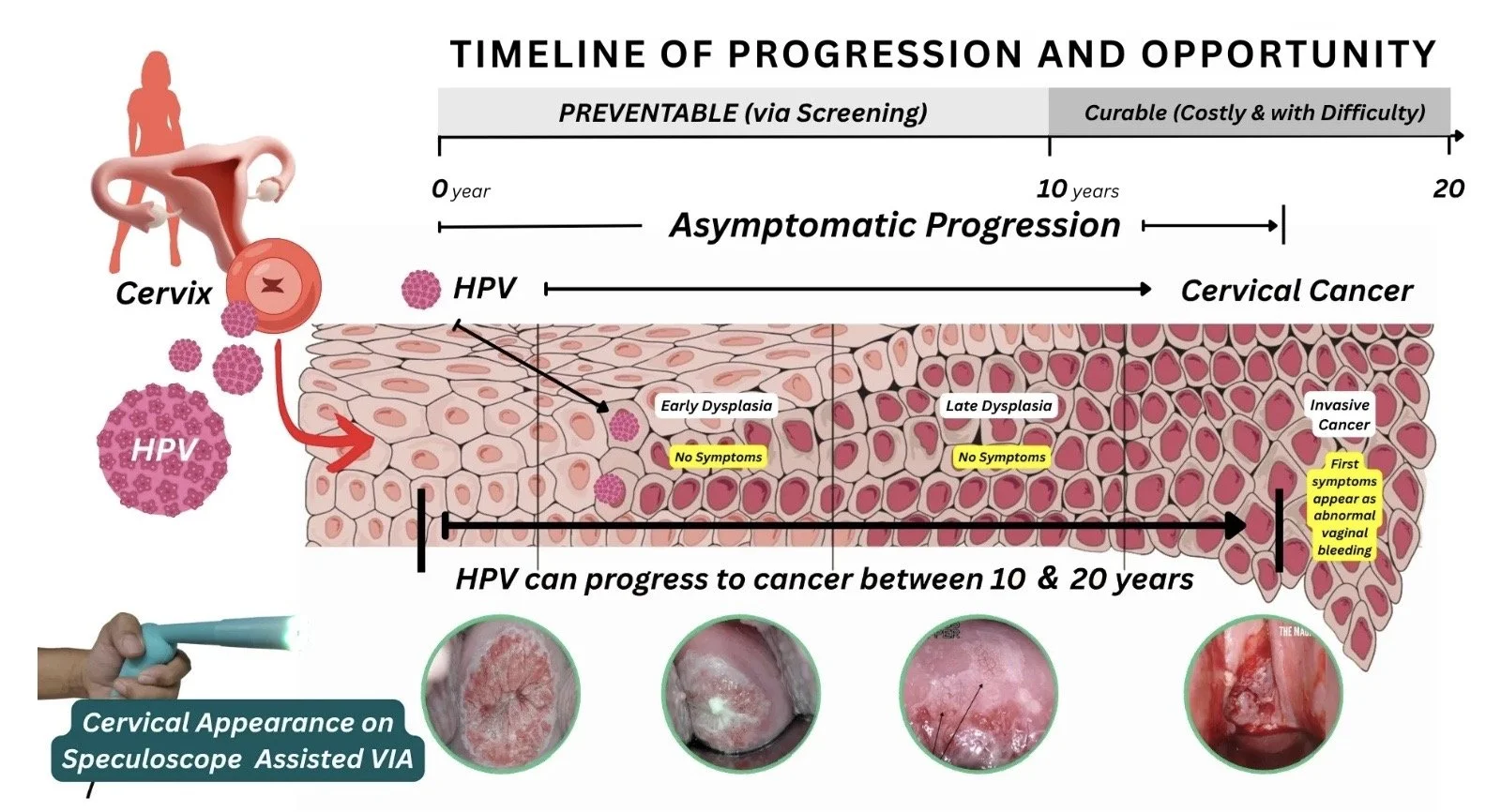
Cervical cancer develops slowly.
From initial infection to invasive cancer, it may take 10 to 20 years. During this time, women feel completely healthy—no pain, no warning signs.
This long window should be our advantage.
Instead, it has become our greatest missed opportunity.
Without screening, most cases are detected only in late stages—when treatment is more difficult, more expensive, and less effective.
Prevention Starts Before Disease
The most powerful tool we have is HPV vaccination.
Vaccination before exposure—ideally between ages 9 to 14—can prevent the majority of cervical cancer cases. In the Philippines, school-based programs led by the DOH, LGUs, and DepEd already provide free vaccination to Grade 4 girls.
But coverage remains limited—not because vaccines are unavailable, but because parents hesitate.
This is where trusted community leaders matter.
Emerging Philippine data has also shown that HPV 52 is among the most prevalent high-risk types locally. Broader-coverage vaccines such as HPV 9 include this subtype, offering additional protection when accessible.
Vaccination protects the next generation. But for women today, we need screening.
Screening: The Critical Gap
The most sensitive screening method today is HPV-DNA testing, which detects the virus before disease develops. New approaches such as self-collection make screening more accessible and less intimidating.
Other methods, such as Pap smear and Visual Inspection with Acetic Acid (VIA), remain widely used. Each has strengths and limitations—there is no perfect screening tool.
What matters is this: women must be screened—and must receive proper follow-up and treatment when needed
A Philippine Innovation: Bringing Screening Closer to Communities
In many parts of the country, access to specialist care such as colposcopy remains limited.
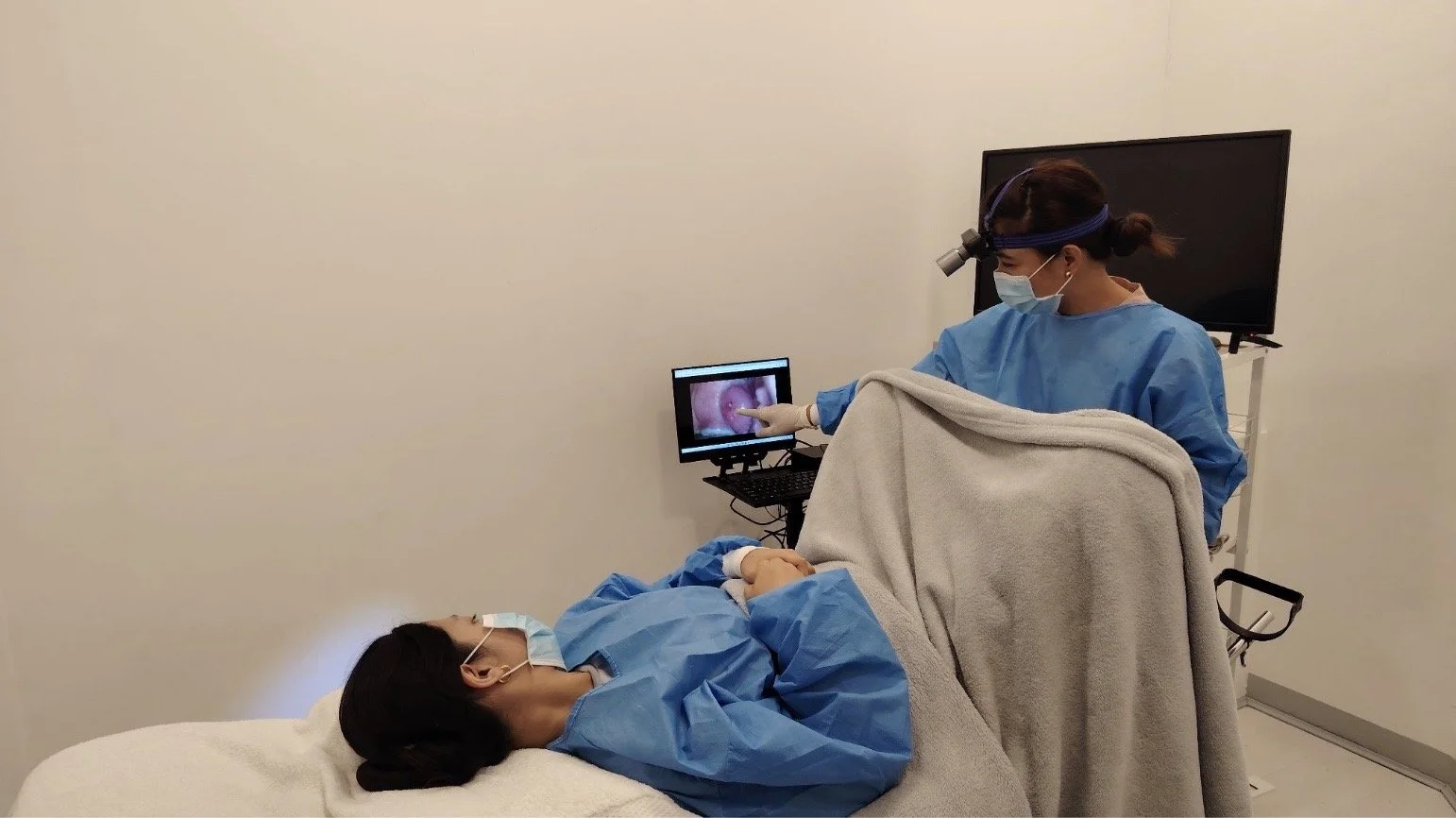
To bridge this gap, local efforts have enhanced VIA through speculoscope-assisted imaging—a portable, camera-enabled approach that allows magnified visualization, image documentation, and remote expert evaluation.
This initiative is led by CerviQ | End Cervical Cancer Philippines, in collaboration with the Department of Science and Technology – Advanced Science and Technology Institute and the Jose R. Reyes Memorial Medical Center Gynecologic Oncology Section.
The goal is simple but transformative:
bring screening closer to communities
improve accuracy and documentation
enable faster referral and treatment
More importantly, it lays the foundation for something bigger.
Building the Future: The Philippine Cervical Image Bank
This effort is not just about screening—it is about building a national system.
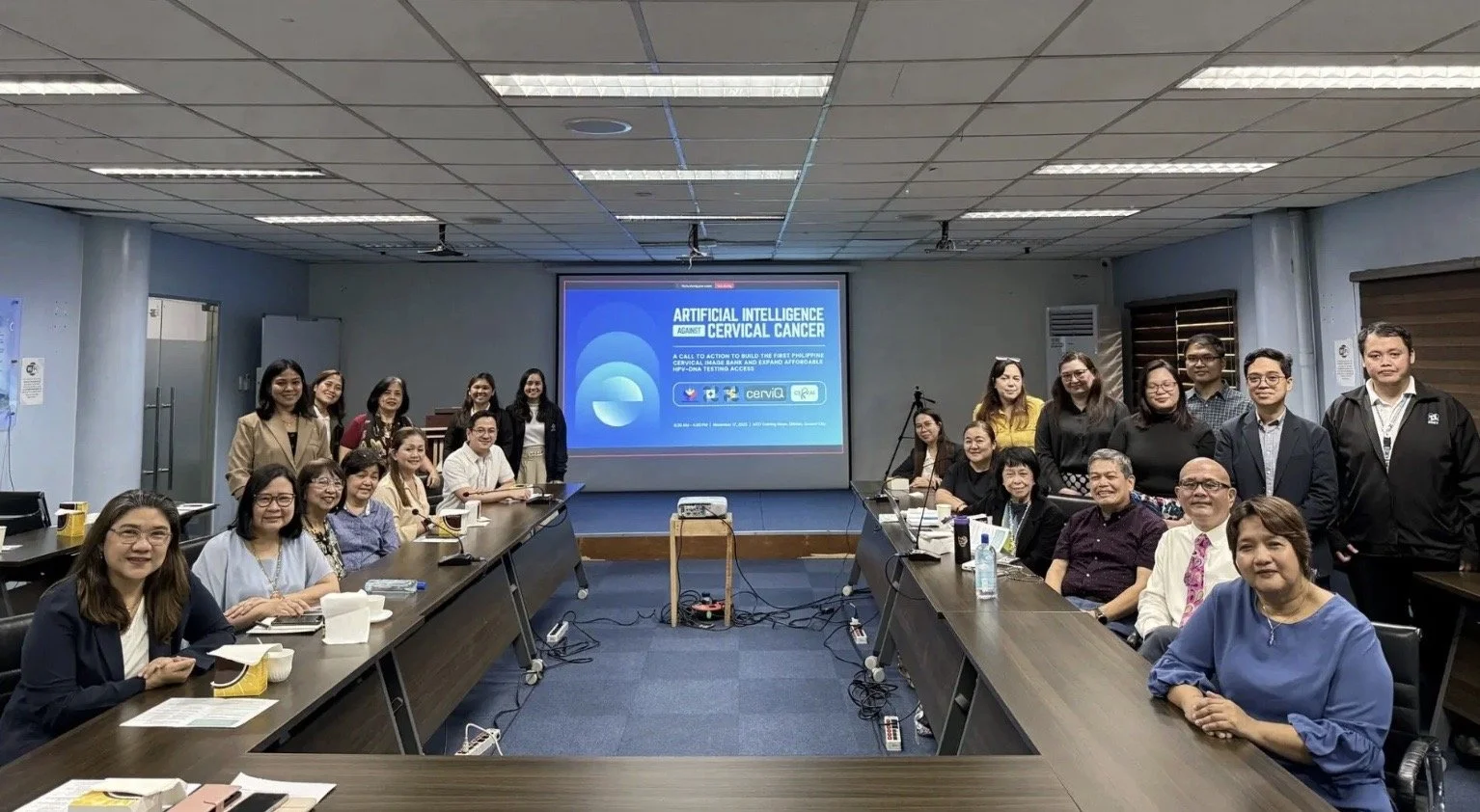
Through structured image capture and annotation, the Philippines can develop a Cervical Image Bank—a large, high-quality dataset that can support training, quality assurance, research, and eventually AI-assisted screening.
The country already has:
trained doctors and health workers
strong academic and research partners
growing digital infrastructure
What is needed now is scale.
By institutionalizing speculoscope-assisted screening in LGUs, and linking images with clinical outcomes such as biopsy results, the Philippines can build one of the most important datasets for women’s health in the region.
With enough data over the next three years, this can support the development of the country’s first AI-assisted detection and decision-support system for cervical cancer screening.

What Rotary Can Do
This is where Rotary can make a decisive impact.
1. Educate — Start the Conversation
Bring HPV and cervical cancer awareness into your clubs and communities. Knowledge leads to action.
2. Vaccinate — Protect the Next Generation
Support school-based vaccination programs and help parents understand that HPV vaccination is safe, preventive, and lifesaving.
3. Screen — Act Early
Encourage women to get screened. Promote access to HPV-DNA testing and community-based screening programs.
4. Collaborate — Expand Access
Partner with organizations like CerviQ and local governments to bring screening technologies and services closer to communities.
5. Build — Shape the Future
Support the development of the Philippine Cervical Image Bank and help create a national platform for AI-driven screening innovation.
A Call to Act
Cervical cancer is not just preventable.
It is eliminable.
The tools are already in our hands.
The question is no longer whether we can stop it.
The question is: Will we?
With its reach, credibility, and commitment to service,
Rotary is uniquely positioned to help lead this effort.
If we act—together—we can save thousands of Filipino women’s lives.
Not someday.
Now.
Take Action: Partner With Us
Ready to act on cervical cancer prevention?
Connect with:
CerviQ | End Cervical Cancer Philippines
Dr. Jesus Randy “Bogs” Rivera, MD
Founder | Radiation Oncologist | IFCPC-IARC Colposcopist Candidate 2028
Email: bogsrivera@endcervicalcancerph.com
Mobile/Viber/WhatsApp: 0917.544.2770
How We Can Help
Awareness talks on HPV and cervical cancer
● HPV vaccination partnerships
● Community and workplace screening
● Speculoscope-assisted VIA training
● LGU capacity-building programs
● Participation in the Philippine Cervical Image Bank
Start With One Step
Host a talk. Screen your community.
Support vaccination. Pilot a program.
We’ll help you get started.
-
![]()
Continuity of Leadership: The Quiet Strength Behind Every Rotary District
By Atty. Raoul C. Creencia
Immediate Past President, Rotary Club of Manila -
![]()
Governor Bing: The Game Changer
-
![]()
Through a Son’s Eyes: Walking Alongside Mom at the Rotary International Assembly
By Aris Carrion Cebrero
Member, Rotary Club of Manila Supreme 198 -
![]()
Maternal and Child Health in the Philippines: Small Interventions, Lasting Impact
By Dr. Enrique “Eric” A. Tayag
Past President, Rotary Club of Manila 101
Former Undersecretary, Department of Health (DOH) -
![]()
First 1000 days: Winning the Fight Against Child Malnutrition
By Atty. Jose “Joey” D. Lina
Governor-Elect (District 3830)
National Project Chairman, Children’s First One Thousand Days Coalition (CFDC) -
![]()
A Preventable Death: Why 12 Filipinas Still Die Every Day — And How Rotary Can Help Change It
By Dr. Jesus Randy “Bogs” Rivera, MD
Rotary Club Manila South
Connect with: CerviQ | End Cervical Cancer Philippines
Founder | Radiation Oncologist | IFCPC-IARC Colposcopist Candidate 2028