Feature Stories

By Atty. Jose “Joey” D. Lina
Governor-Elect (District 3830)National Project Chairman,
Children’s First One Thousand Days Coalition (CFDC)

First 1000 days:
Winning the Fight Against Child Malnutrition
There is a period in every child’s life that will largely determine his or her future — the first one thousand days, from conception until the child’s second birthday.
Science has long established that this is the most critical stage of human development. During this period, the brain grows rapidly, the body develops foundational strength, and the child’s lifelong capacity to learn, work, and thrive is formed. If proper nutrition is absent during these first 1,000 days, the damage can become irreversible.
This is why the fight against child malnutrition is not merely a health issue. It is a national development issue. It is an education issue. It is an economic issue. And ultimately, it is a moral issue.
For decades, the Philippines has struggled with alarming malnutrition statistics. UNICEF has reported that 95 Filipino children die daily because of malnutrition. One out of every three Filipino children suffers from stunting — a condition where children are too short for their age due to chronic undernutrition. Worse, stunting after two years old is often permanent and irreversible.
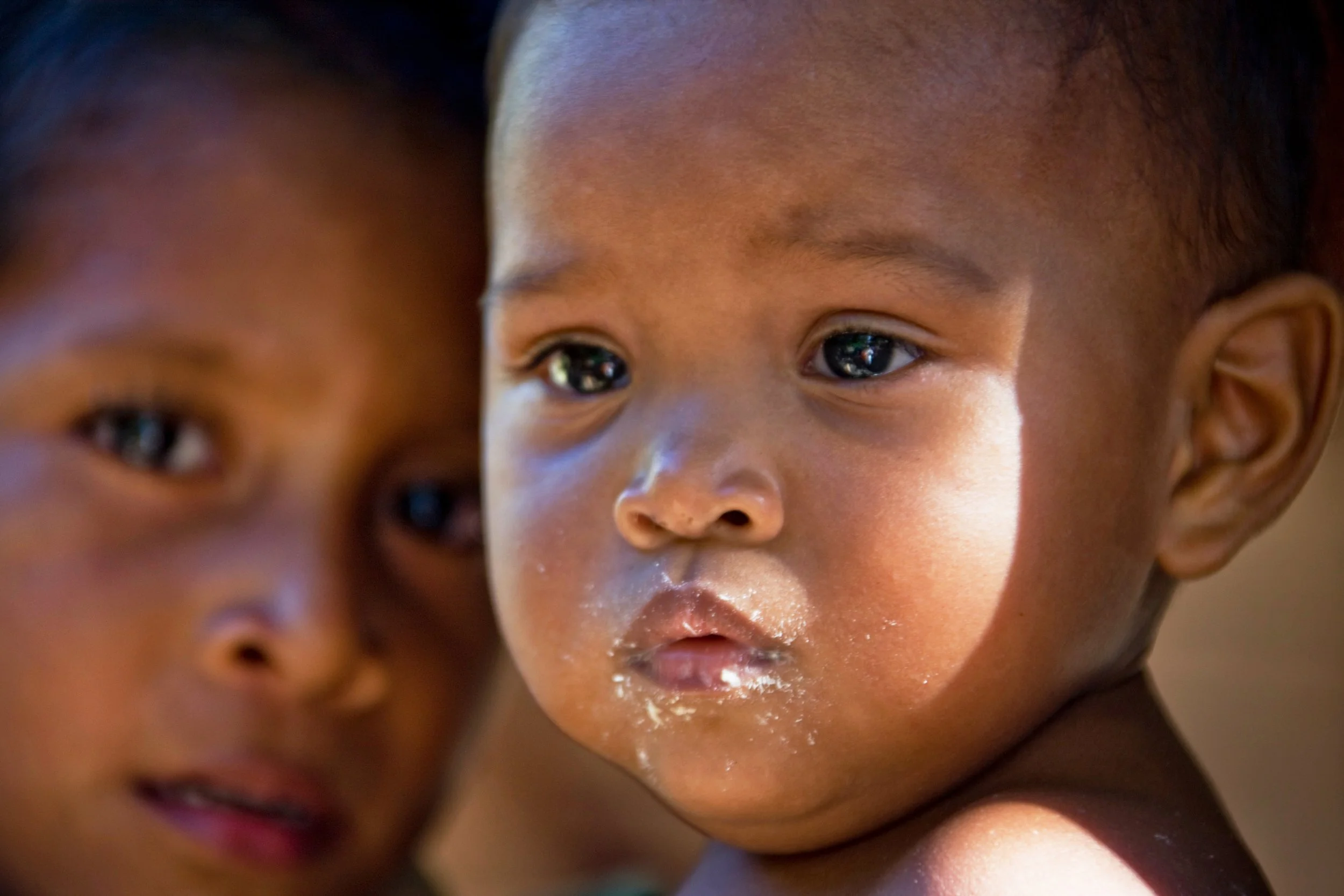
Behind these statistics are real human stories: children who struggle in school because malnutrition impaired brain development; families trapped in poverty because poor health limits opportunity; communities unable to fully realize their potential because their youngest members were deprived of proper nutrition at the very beginning of life.
The World Bank has warned that undernutrition could result in a “staggering loss” of the country’s human and economic potential. A malnourished child today can mean a less productive workforce tomorrow.
This is precisely why Republic Act No. 11148, or the “Kalusugan at Nutrisyon ng Magnanay Act,” was enacted — to ensure that mothers and children receive proper health and nutrition support during the first 1,000 days.
But laws alone are not enough.
The battle against malnutrition requires a whole-of-nation approach. Government cannot do it alone. Civil society organizations, businesses, local governments, healthcare workers, and ordinary citizens must work together.
This conviction inspired the formation of the Children’s First One Thousand Days Coalition (CFDC) — a broad alliance of civic organizations, NGOs, medical professionals, business leaders, and advocates united by one mission: to help ensure that every Filipino child has a healthier, brighter future.
Today, CFDC includes over 200 organizations such as Rotary International, Lions Clubs International, Kiwanis International, the Fraternal Order of Eagles, Save the Children Philippines, World Vision Philippines, the Philippine League of Government and Private Midwives, and many others. Together, we are building partnerships that bring nutrition interventions directly to communities.

Our approach is practical and community-based.
Through the CFDC Manual of Operations, we guide NGOs and local governments on how to adopt barangays and implement nutrition programs tailored to mothers and young children. The manual outlines interventions before pregnancy, during pregnancy, and after childbirth — including prenatal nutrition, breastfeeding support, child growth monitoring, vaccination advocacy, and parent education.
At the center of this effort are barangays, Barangay Nutrition Scholars (BNS), Barangay Health Workers (BHW), and volunteers who work tirelessly on the ground. They identify pregnant mothers, monitor child growth, educate families, and provide support where it is needed most.
We have also launched training programs for civic organizations and community leaders nationwide. The Fraternal Order of Eagles–Philippine Eagles, for example, recently began rolling out its “Train the Trainers” initiative to implement First 1,000 Days nutrition programs in barangays across the country.
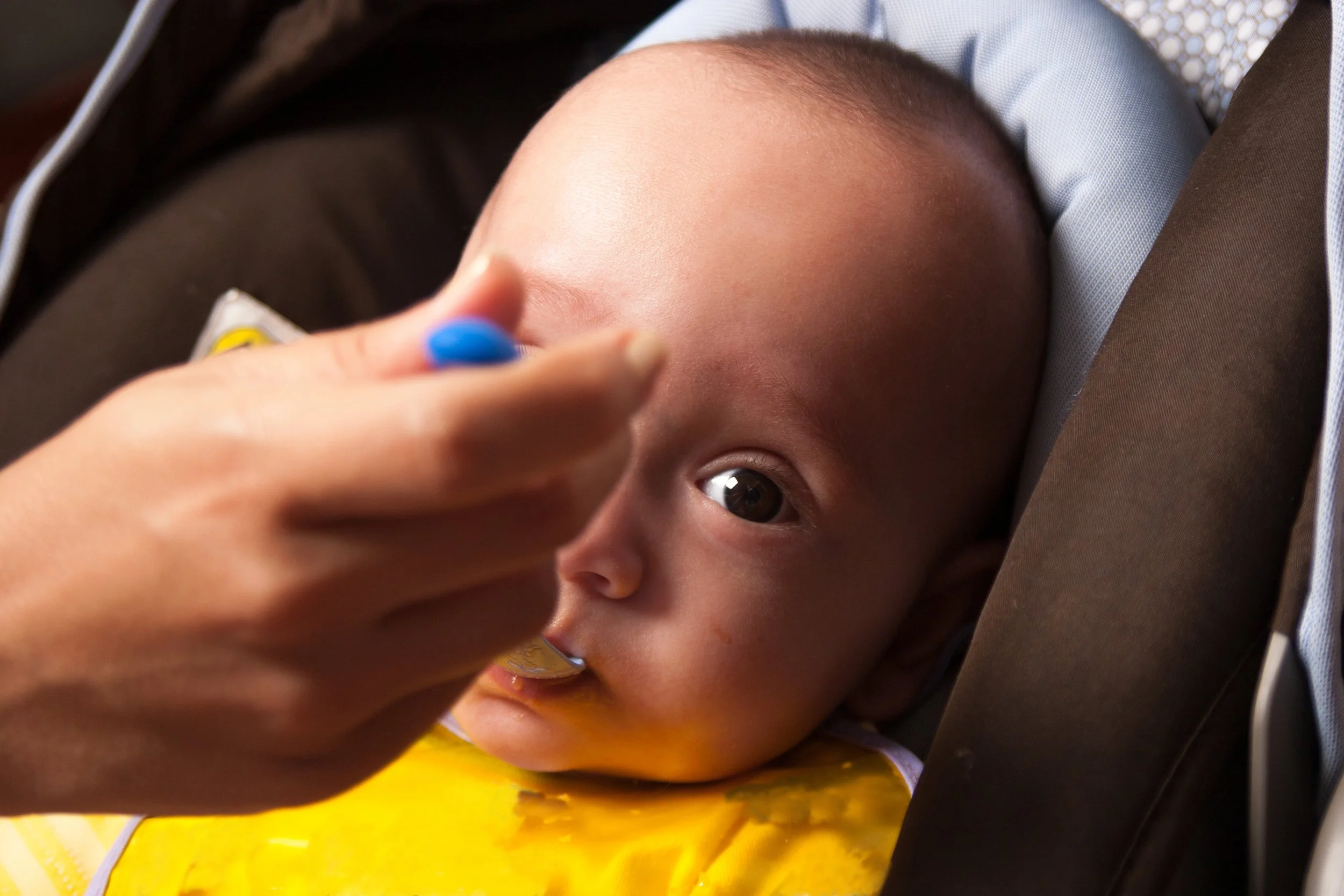
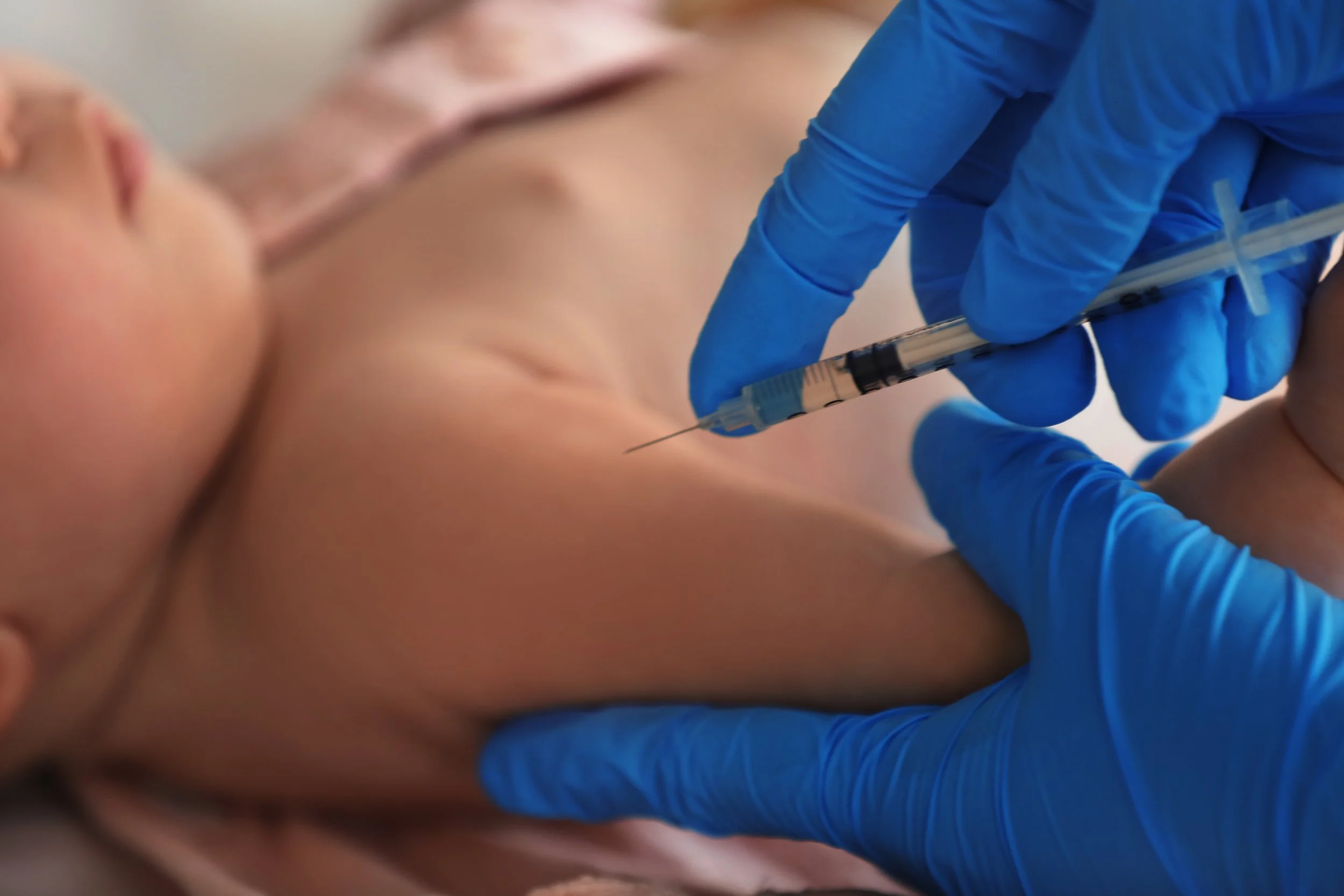
Encouragingly, awareness about the first 1,000 days is steadily growing.
President Ferdinand Marcos Jr., during his State of the Nation Address, emphasized the importance of addressing child nutrition and maternal health, particularly among the poorest Filipino families. Such recognition from national leadership is crucial because child malnutrition must remain a national priority beyond political cycles.
Still, much work remains ahead.
The challenge is immense, especially in geographically isolated and economically disadvantaged communities. Many mothers continue to face limited access to nutritious food, healthcare, education, and livelihood opportunities. The rising cost of food also places additional pressure on vulnerable families.
Yet despite these realities, there is reason for hope.
Every barangay that organizes a nutrition program, every mother who receives proper prenatal care, every child who is vaccinated and nourished, and every organization that commits resources to this advocacy brings us one step closer to transforming the future of our nation.
Because when we nourish a child, we nourish the future of the Philippines itself.
The first 1,000 days may be brief in the span of a lifetime, but their impact lasts forever.
And if we truly aspire for a nation of “matalino, malakas, at matangkad na Pilipino,” then we must begin where life itself begins — with the child in the womb, the mother who carries that child, and the community that supports them both.
The future of the Philippines depends on it.
-
![]()
Continuity of Leadership: The Quiet Strength Behind Every Rotary District
By Atty. Raoul C. Creencia
Immediate Past President, Rotary Club of Manila -
![]()
Governor Bing: The Game Changer
-
![]()
Through a Son’s Eyes: Walking Alongside Mom at the Rotary International Assembly
By Aris Carrion Cebrero
Member, Rotary Club of Manila Supreme 198 -
![]()
Maternal and Child Health in the Philippines: Small Interventions, Lasting Impact
By Dr. Enrique “Eric” A. Tayag
Past President, Rotary Club of Manila 101
Former Undersecretary, Department of Health (DOH) -
![]()
First 1000 days: Winning the Fight Against Child Malnutrition
By Atty. Jose “Joey” D. Lina
Governor-Elect (District 3830)
National Project Chairman, Children’s First One Thousand Days Coalition (CFDC) -
![]()
A Preventable Death: Why 12 Filipinas Still Die Every Day — And How Rotary Can Help Change It
By Dr. Jesus Randy “Bogs” Rivera, MD
Rotary Club Manila South
Connect with: CerviQ | End Cervical Cancer Philippines
Founder | Radiation Oncologist | IFCPC-IARC Colposcopist Candidate 2028